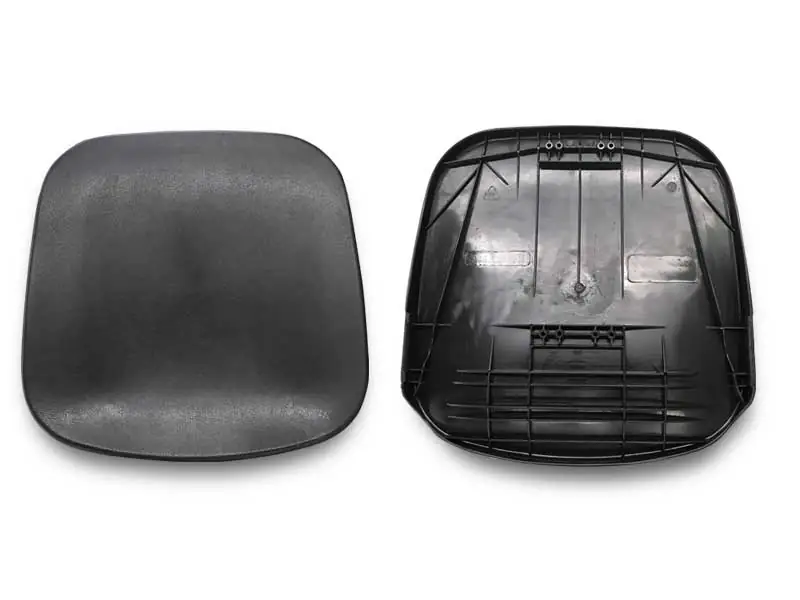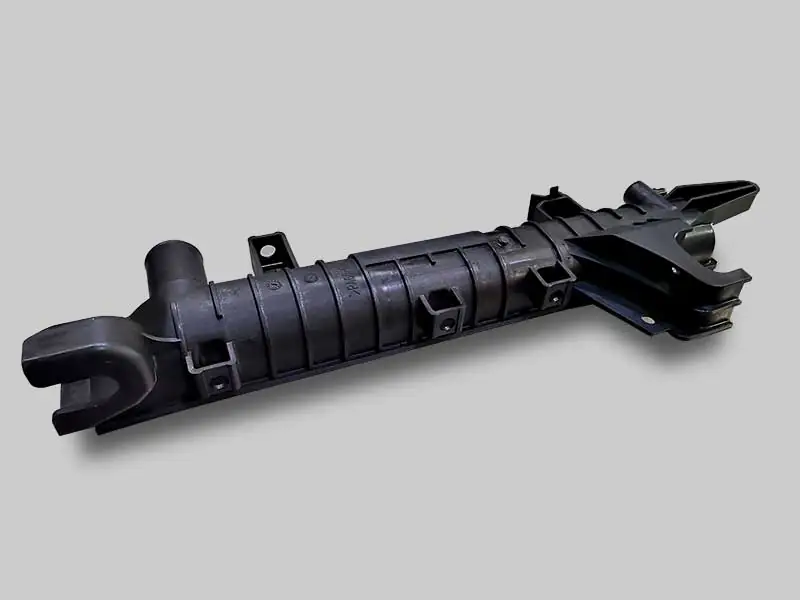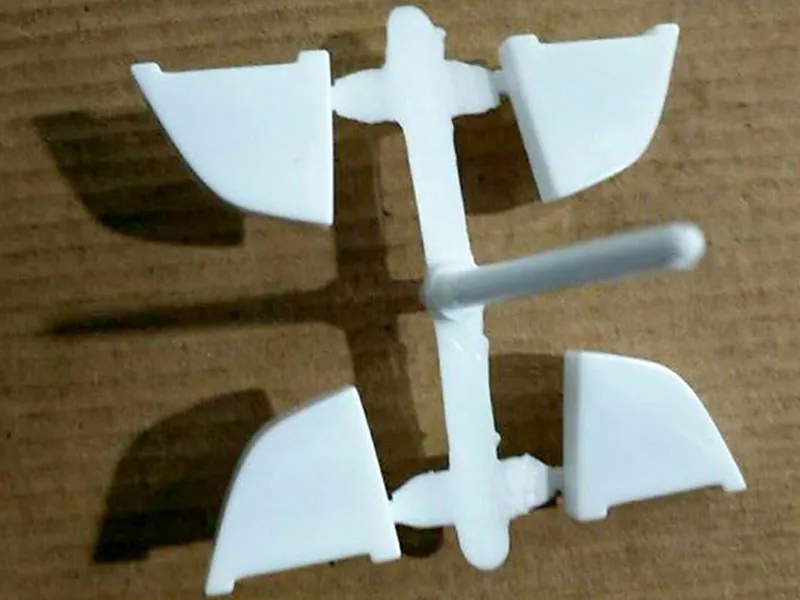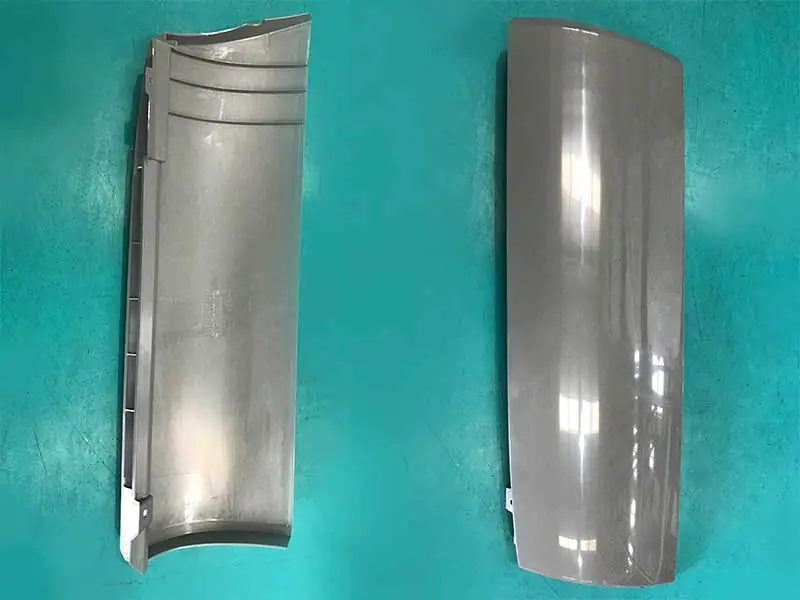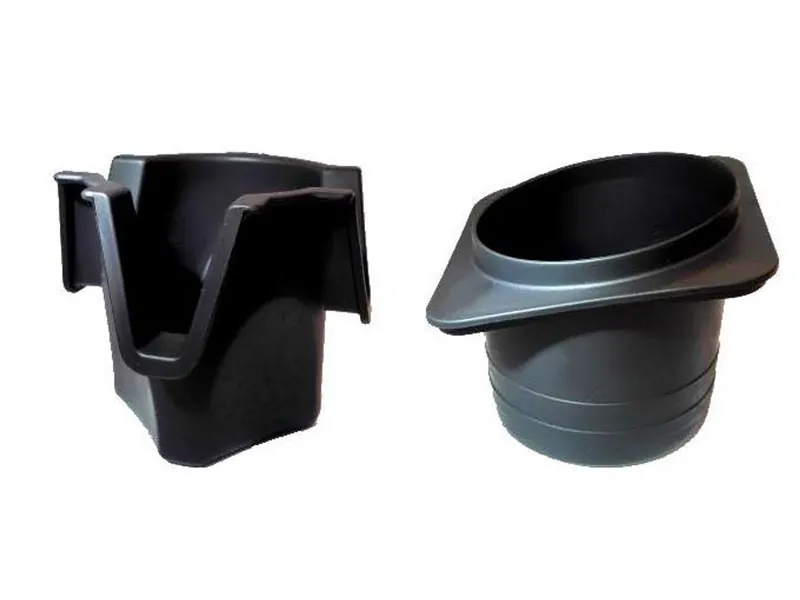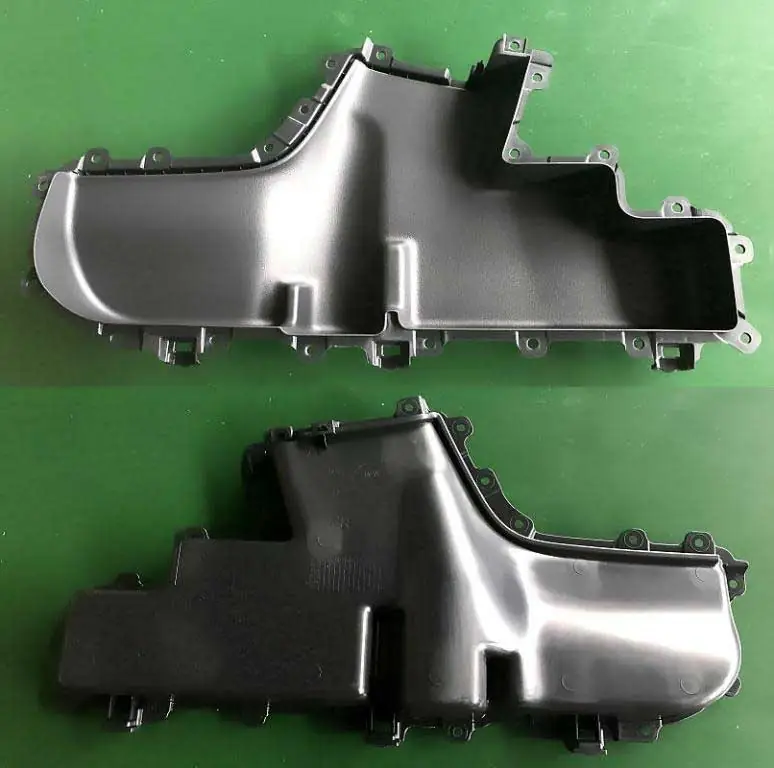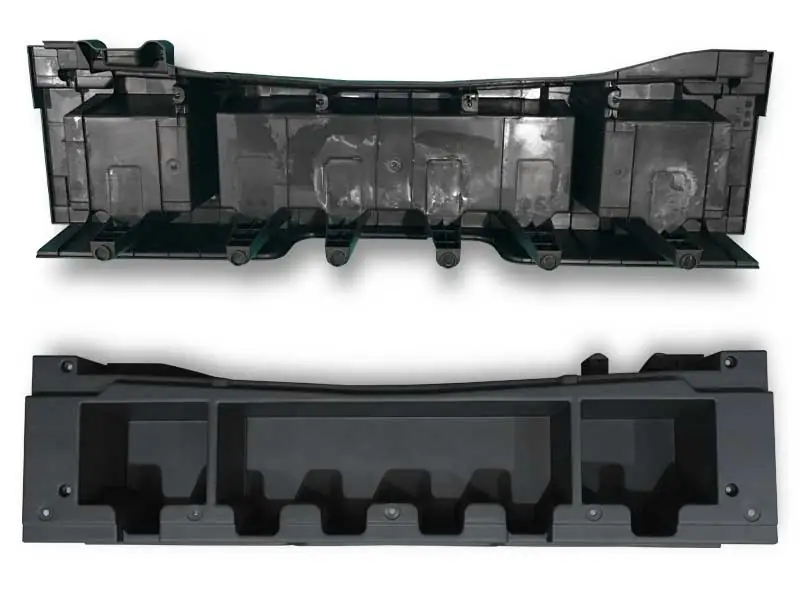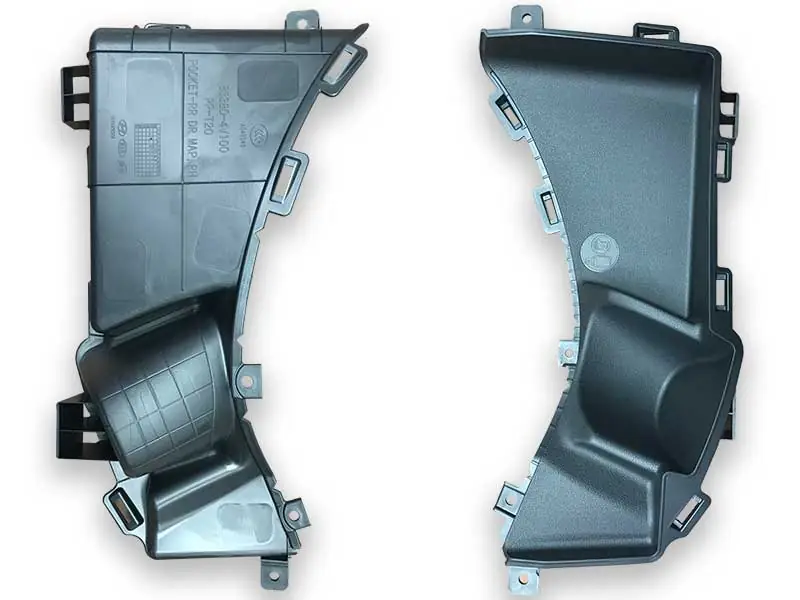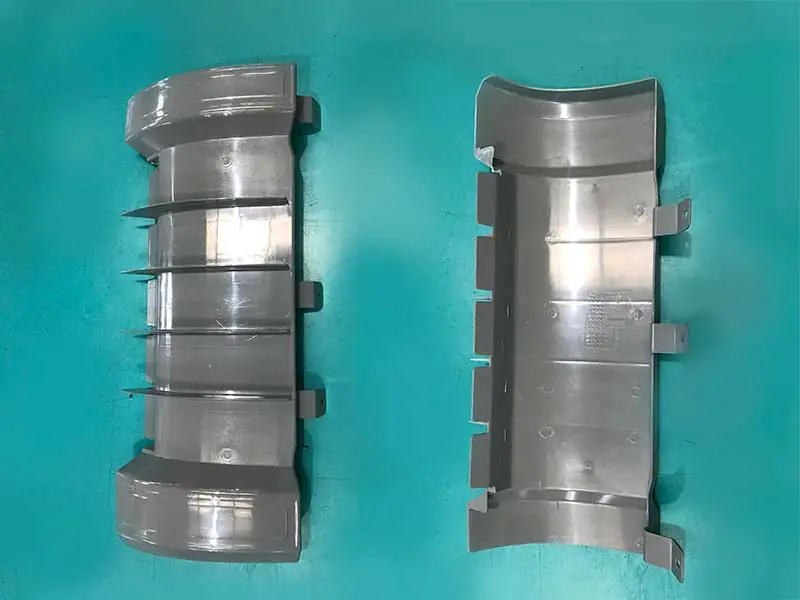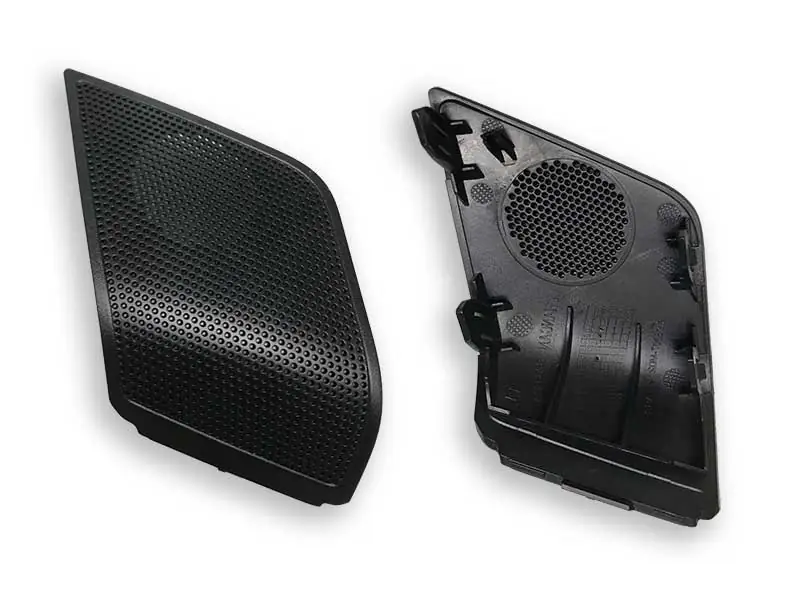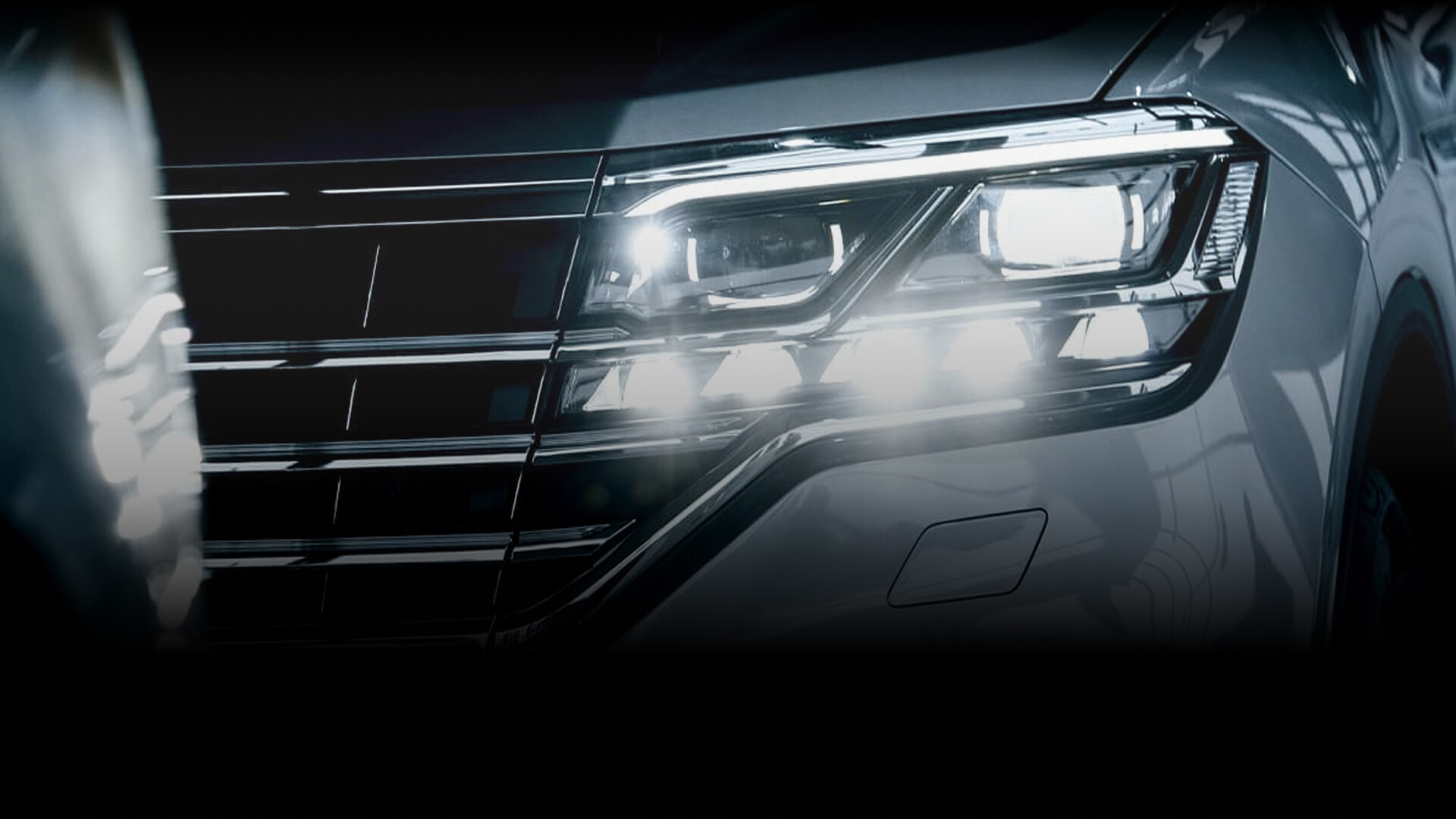
Bumpers, instrument panels, door modules and lamp lenses, on Chen Hsong two-platen and all-electric machines from 20 to 6,500 tonnes. BYD and FAW Group run them.
1958
Founded in Hong Kong
20-6,500 T
Clamping force across the full range
1,000 +
Two-platen machines in service
Bumpers, instrument panels, door modules and lamp lenses, on Chen Hsong two-platen and all-electric machines from 20 to 6,500 tonnes. BYD and FAW Group run them.
1958
Founded in Hong Kong
20-6,500 T
Clamping force across the full range
1,000 +
Two-platen machines in service
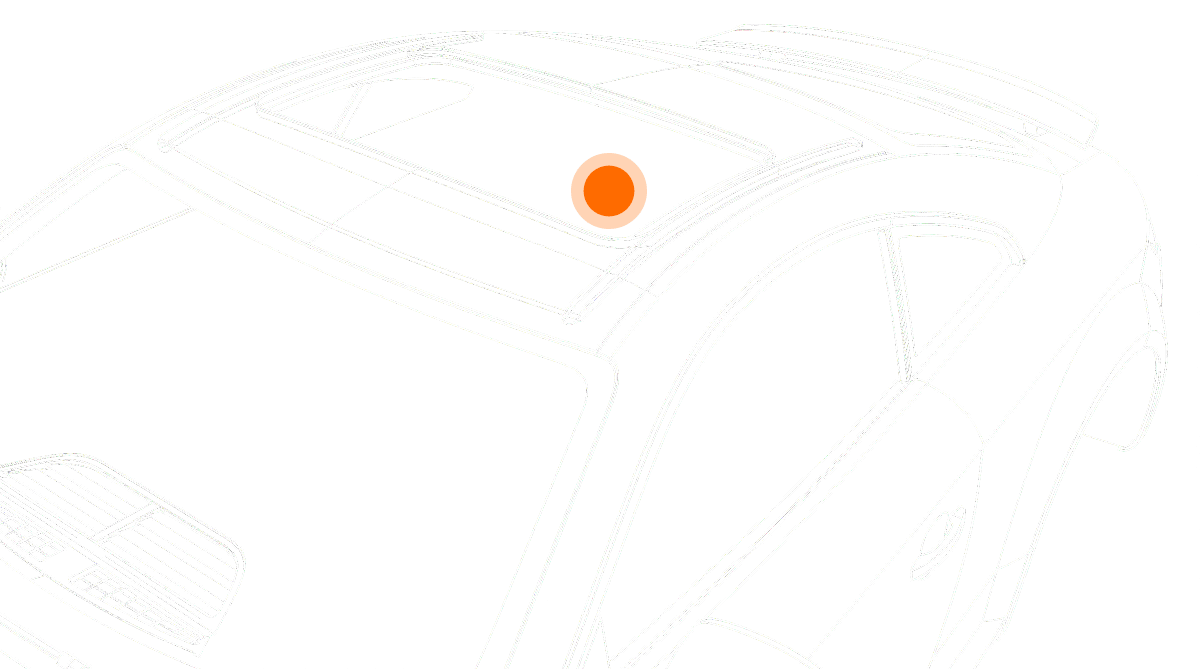
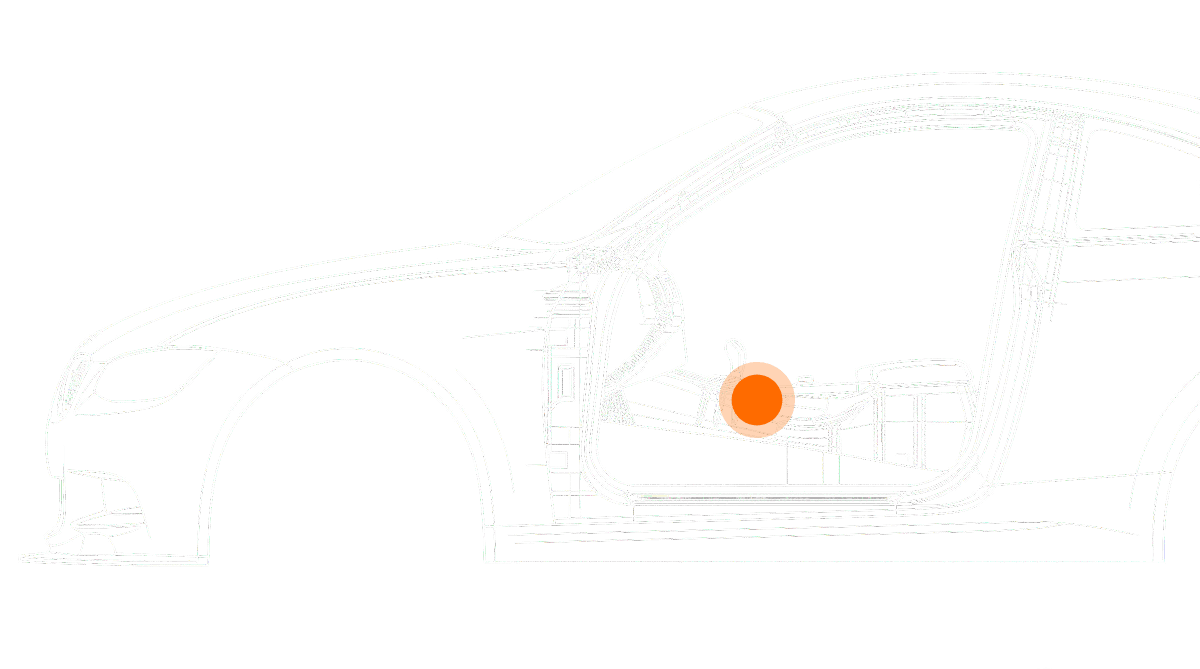
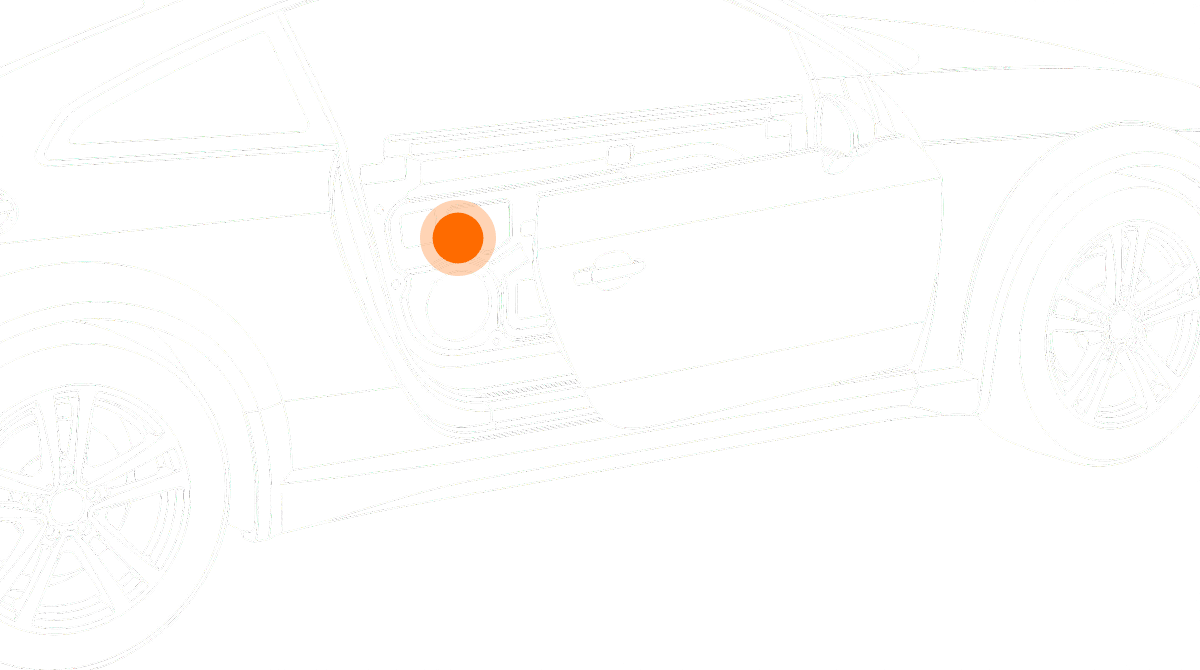
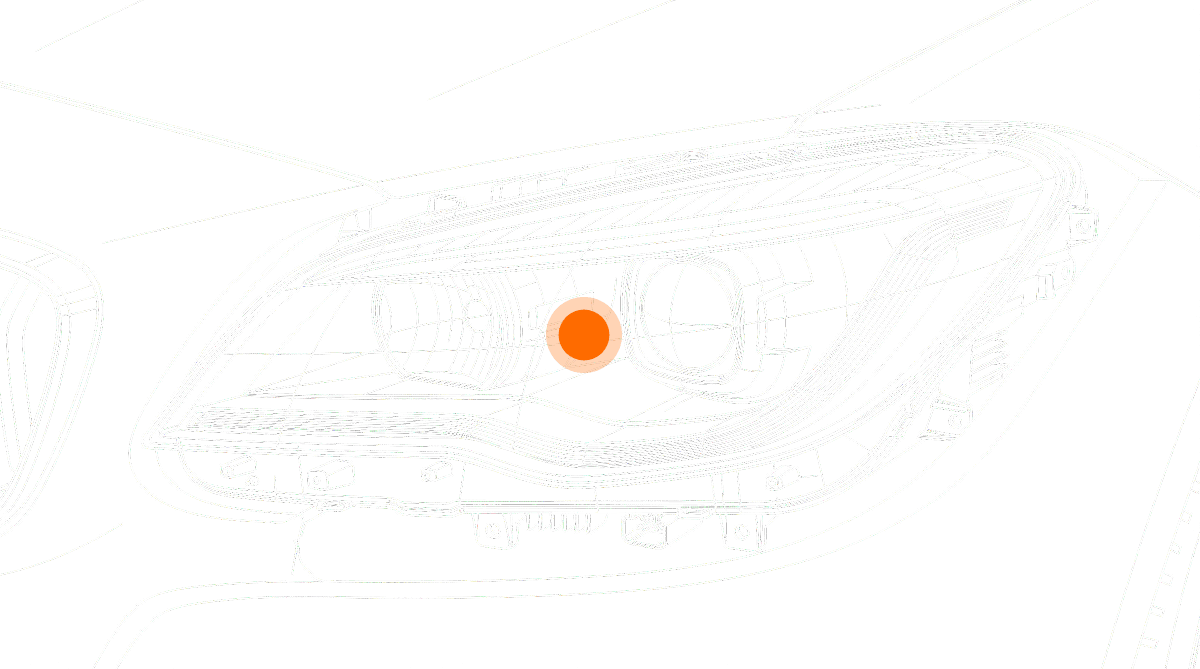
A car carries more than a hundred injection molded plastic parts, and each zone of the vehicle is molded differently. Select a zone to see the parts, the processes they need and the Chen Hsong two-platen series we quote for them.
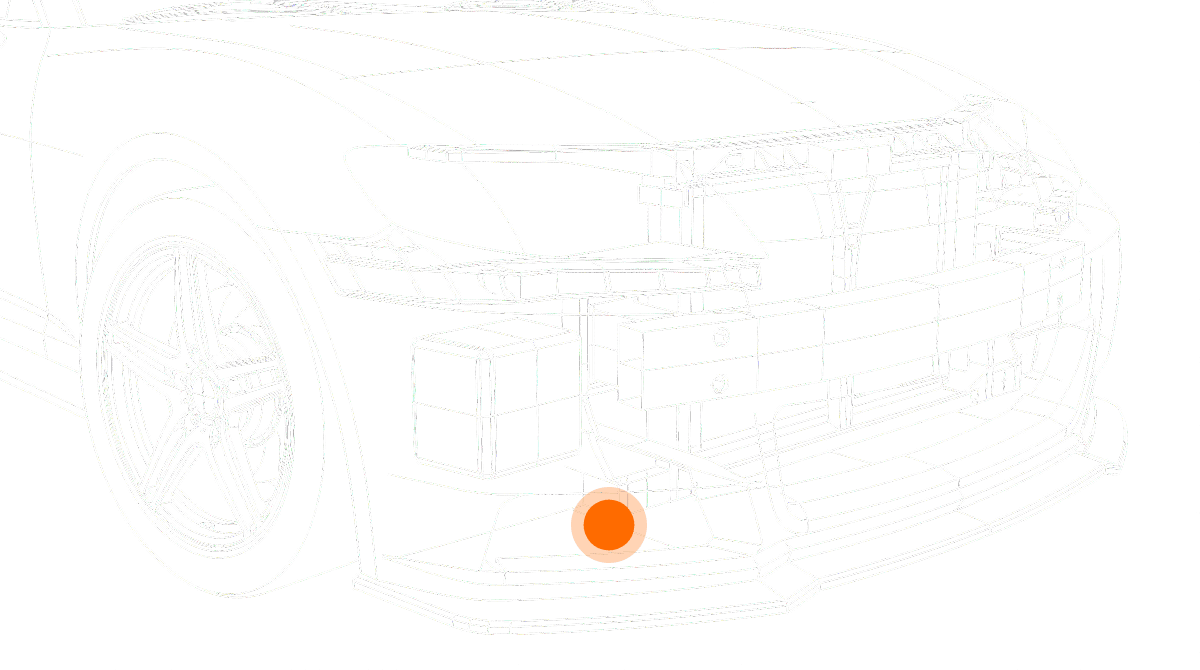
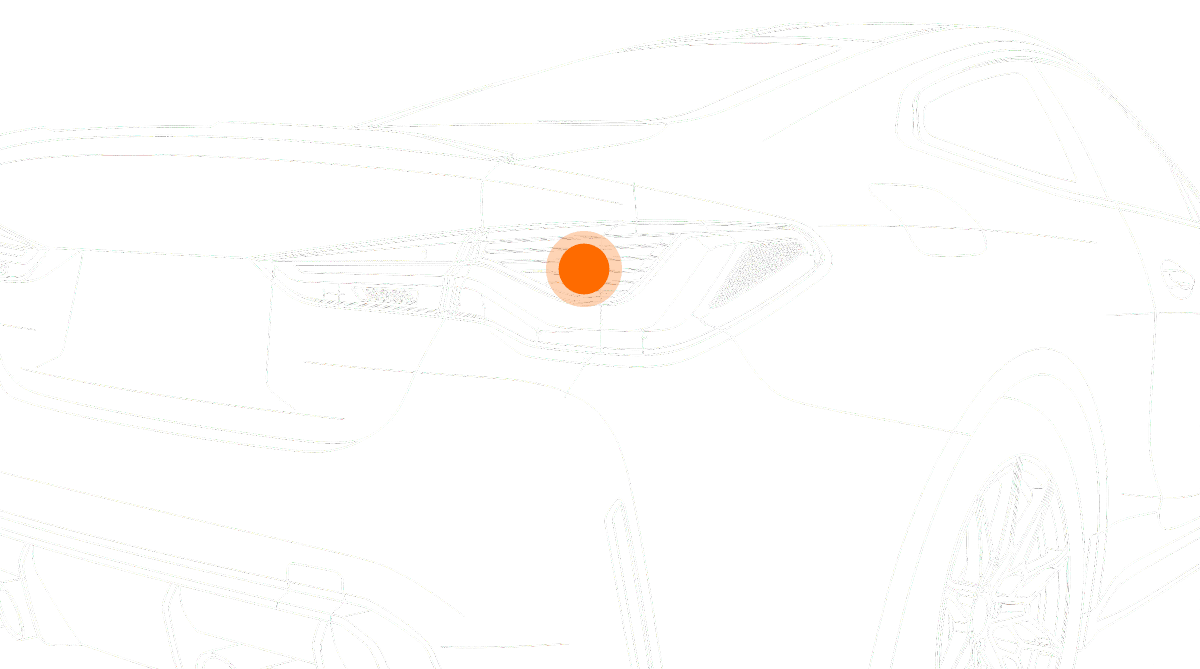
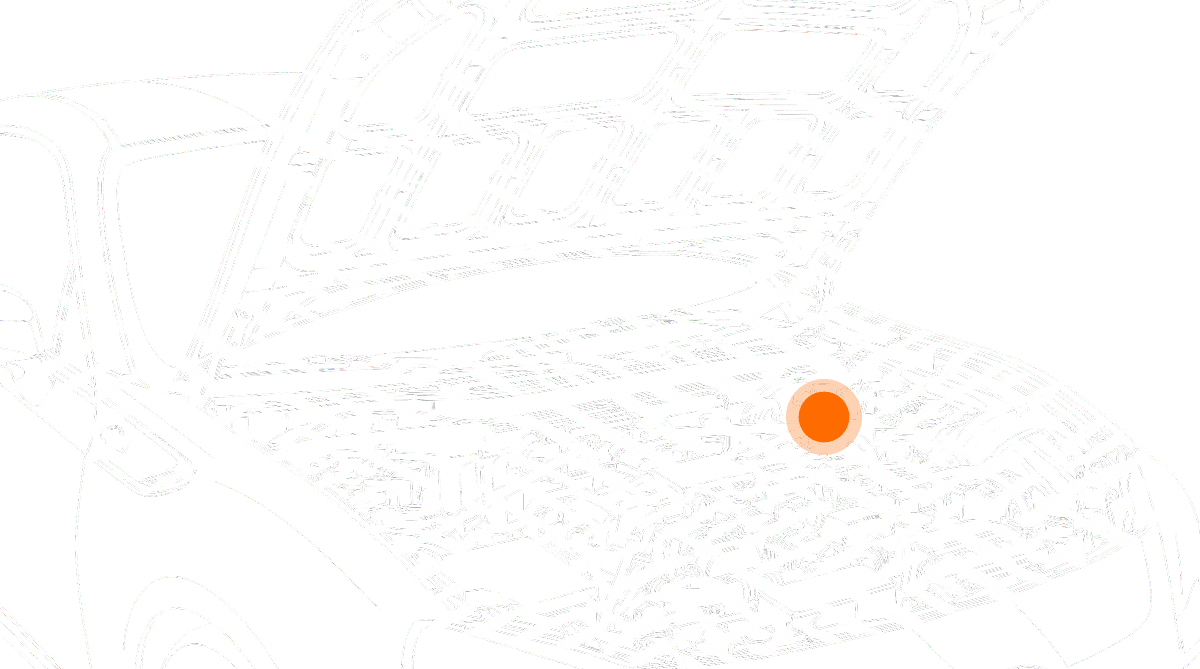
Chen Hsong built the first large-tonnage two-platen machine in China in 2007 and has more than a thousand in service today, molding bumpers, door panels and lamp lenses for BYD, FAW Group and other automotive producers.
Bumpers, tailgates, instrument panel carriers
A bumper tool is close to two metres wide and deep enough to need a long opening stroke, and the platens have to stay parallel under full clamp or the flash lands on the visible edge.
A two-platen machine clamps directly on the tie bars, so it gives that platen rigidity in a footprint shorter than a toggle of the same tonnage, with the daylight and mold height a deep tool needs.

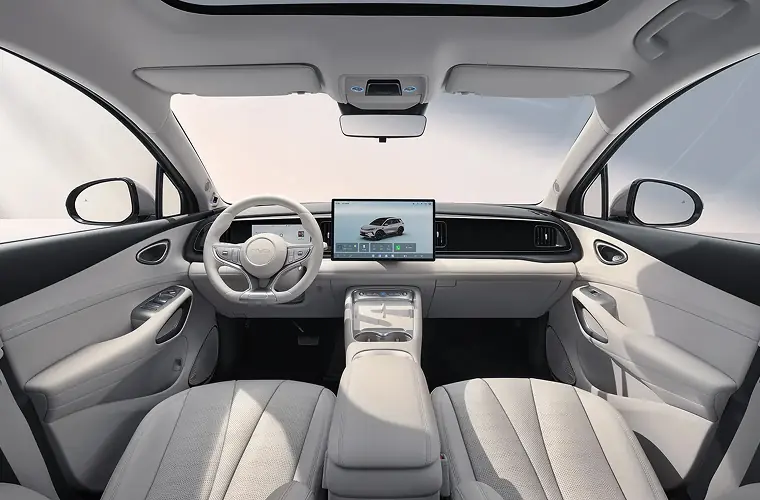
Door trims, consoles, grilles, pillar trims
Interior and exterior trim is accepted or rejected on its surface: sink over ribs, flow marks, gloss variation and, for interiors, the VOC limit in the material specification.
The machine has to hold packing pressure the same on every shot and run the processes that these parts increasingly assume, such as physical foaming, IMD/IML and low-pressure lamination.
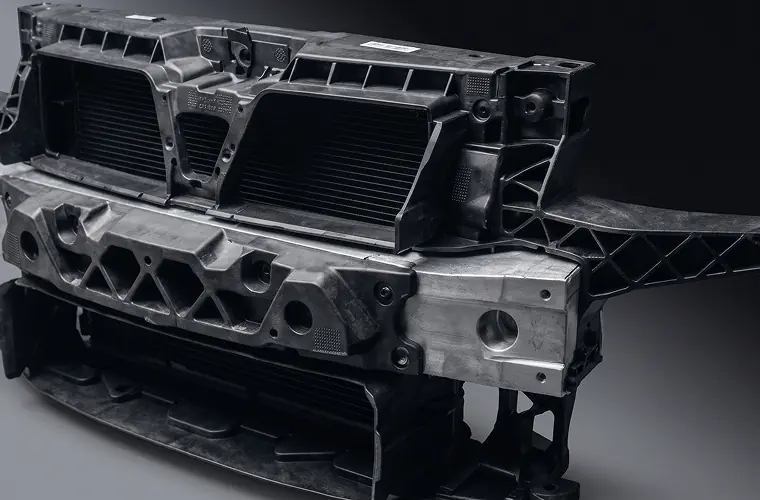
Front-end modules, engine covers, battery carriers
Structural parts are being redesigned from metal to glass-filled and long-fibre thermoplastics, and the molding decides whether the fibre survives.
The screw and barrel have to plasticise an abrasive, fibre-loaded melt without breaking the fibres, and the machine has to run MuCell foaming or in-line compounding when the part calls for it.
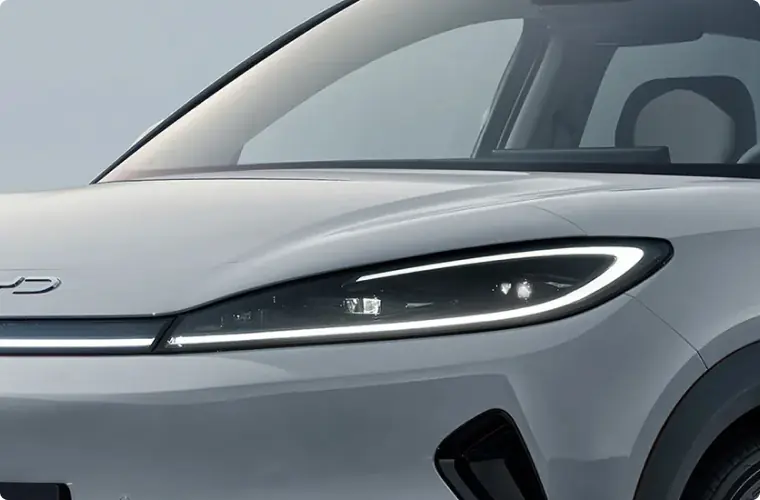
Lenses, light guides, lamp bars, two-shot trims
A lens is measured on light transmittance and internal stress, and both are set in packing and cooling. That needs electric injection that repeats the packing profile shot after shot, no hydraulic oil near the optical surface, and injection-compression for thick lenses.
Light guides in housings and two-colour lamp bars add a second material in the same cycle.
Most automotive part drawings already assume a process, and the machine has to be specified around it from the start. These are the eight we are asked for most often. Each links to a fuller guide.
Two or more materials in one cycle on a rotary platen, piggyback or opposing injection unit. Used for lamp assemblies, two-colour trims and soft-touch overmolding.
Material pairing decides whether the bond line holds, so please send us both resins when you enquire.
Supercritical nitrogen or carbon dioxide dissolved into the melt.
It takes weight out, lowers internal stress and reduces warpage, and the internal gas pressure replaces part of the packing pressure, so a smaller machine will often do the job.
A foaming agent chosen for its decomposition temperature and gas yield.
Nitrogen gives faster expansion and smaller cells; carbon dioxide gives slower expansion and larger ones.
The agent, not the machine, decides the cell structure you end up with.
Cavity volume varies during injection or holding, so pressure across the part is more uniform.
We use it for lenses, head-up display covers and other free-form optical surfaces where birefringence and double images have to be kept down.
A decorative film placed in the mold and molded in one shot.
It removes the post-spraying step, which removes the solvent emissions with it, and because the film is bonded through the part the surface resists wear in a way a sprayed coating does not.
Molding and painting completed in the same tool.
Fewer production steps, near-zero volatile organic compound emissions, no orange peel and better dimensional stability than a part that is molded, painted and then dried.
Nitrogen hollows out thick sections, which reduces warpage and sink marks and lightens the part.
It is less suitable above roughly 40 mm diameter, where melt can run down the mold wall after the gas channel forms.
Demineralised water in place of nitrogen, for longer cavities, thinner walls and a smoother inner surface.
Water is incompressible and cools faster, though PS and PC are not suitable and the sealing has to be right.
Eight automotive parts in production on Chen Hsong machines, with the machine, material, shot weight and cycle time for each as reported by the molder.
| Part | Machine | Material | Shot weight | What the part demanded |
|---|---|---|---|---|
| Front bumper | SM3600-TP | PP | 3.2 kg | Complex geometry, weathering resistance, high impact strength, stable weight and dimensions |
| B-pillar lower trims | SM2200-TP | PP + 20% talc | 822 g | Dimensional accuracy with minimal distortion across a left and right pair |
| Laminated interior panel | SM1050-TP | PP | 885 g | Even stress and accurate shot volume, so melt flow does not deform the skin; low-pressure injection |
| Door component | SM850-TP | PC + ABS | 462 g | Complex shape, no surface scratching, stable weight, no short shots or deformation |
| Lamp lens | JM258-MK6 PRO | PMMA | 50 g | High light transmittance and heat resistance together with a lighter part |
We have published 29 automotive application cases, each giving the machine, material, cycle time and cavitation. A selection by part family is below.
Automotive programs run for five years or more, and process drift usually surfaces as a warranty claim long after the shift that caused it.
iChen™ connects the machines, records what every shot did, and corrects the parameters before a technician would notice.
Bumpers and grilles sit in the TP700 to TP4000 band, and a full front bumper is usually molded between 2,500 and 4,000 tonnes depending on projected area, wall thickness and resin.
One of the bumper applications on this page runs on a 3,600-tonne two-platen machine at a 3.2 kg shot weight. Please send us the part drawing and the resin data sheet and we will confirm the force and the mold space required
A two-platen machine carries a large, deep mold in a shorter footprint than a toggle machine of the same force, spreads the clamping load evenly across the platen face, and gives more daylight relative to machine size.
Chen Hsong developed the first large-tonnage true two-platen machine built in China in 2007, and has more than 1,000 units in service.
Yes. Lamp assemblies are molded on the DM III and DMZ III multi-material platforms, which use a rotary platen or opposing injection units to combine a clear lens with a coloured housing in one cycle.
Rotary platen positioning accuracy is the specification to check, because it decides whether the bond line comes out clean.
Gas-assisted molding using nitrogen costs less and suits handles, conduits and parts with large wall thickness differences, but it becomes difficult above roughly 40 mm diameter.
Water-assisted molding produces longer cavities, thinner walls and a smoother inner surface and cools faster, though PS and PC are not suitable and there is a real risk of leakage if the sealing is not right. We would suggest deciding on the inner surface requirement first.
Chen Hsong supplies region-specific configurations with EUROMAP and SPI platen and ejector layouts, depending on the market and the model.
Controller options vary by series and region. Please tell us which market the machine is for when you enquire, so that the quotation carries the right configuration from the start.

EUROMAP and SPI mold standards. B&R, KEBA, and Beckhoff controller options available by region. Local service support in 85+ countries.

Choose Your Region
The Chen Hsong Group has offices and distributors all around the globe.
Select your region from below or search our global list of distributors.
This page is currently in development. Our team is putting it together, please check back shortly or reach out if you need anything in the meantime.
| Service | Cookies | Description |
|---|---|---|
| Google Analytics | _ga _ga_* _gid _gat _gcl_au | Google Analytics is used to collect anonymous statistics about how visitors use our website, such as pages visited, time spent on site, and traffic sources. This helps us understand and improve the user experience. |
| Service | Cookies | Description | |
|---|---|---|---|
| Google Analytics | _ga _ga_* _gid _gat _gcl_au | Google Analytics is used to collect anonymous statistics about how visitors use our website, such as pages visited, time spent on site, and traffic sources. This helps us understand and improve the user experience. |